

Maintaining a healthy swimming pool requires consistent attention to system efficiency, safety, and water quality. One of the most critical aspects of long-term pool care is pool equipment repair, especially when dealing with pumps, filters, heaters, and circulation systems. In the first 100 words alone, it is clear that timely pool equipment repair is essential for preventing breakdowns, improving energy efficiency, and ensuring reliable pool operation throughout the year.
In 2026, advancements in pool technology have made systems more complex but also more efficient. However, even the most advanced setups still require expert maintenance and repair. Service providers such as Balanced Poolz specialize in diagnosing and restoring pool systems to peak condition, helping property owners avoid costly disruptions and long-term damage.
This comprehensive guide explores modern repair strategies, common system failures, and expert maintenance approaches designed to extend the lifespan of pool equipment.
Why Pool Equipment Repair Is Critical for Modern Pools
The importance of pool equipment repair goes beyond fixing broken components. It directly impacts water quality, energy consumption, and system longevity. Pools depend on continuous circulation and filtration, and even minor malfunctions can lead to major operational issues.
Key reasons why repair is essential include:
- Maintaining proper water circulation for hygiene and clarity
- Reducing energy consumption through efficient equipment operation
- Preventing chemical imbalance caused by poor filtration
- Avoiding expensive full-system replacements
Ignoring early warning signs often results in compounded damage, especially in high-use residential and commercial pools.
Common Pool Equipment Problems in 2026
Modern pool systems are more advanced, but they still face recurring issues that require professional pool equipment repair.
1. Pump Failures and Motor Strain
Pool pumps are the heart of the system. In 2026, variable-speed pumps are common, but they still suffer from overheating, bearing wear, and electrical issues. Reduced water flow or unusual vibrations often signal internal damage.
2. Filter Efficiency Decline
Sand, cartridge, and DE filters can lose efficiency over time. Blockages, torn filter media, or pressure buildup reduce water clarity and increase system strain.
3. Heater Performance Issues
Heaters may struggle with inconsistent temperatures due to scale buildup, thermostat failure, or ignition issues in gas systems.
4. Leak Detection Problems
Leaks in plumbing lines or fittings often go unnoticed until water bills rise or structural damage appears. Early detection is essential for preventing extensive repairs.
5. Control System Malfunctions
Smart pool automation systems can experience sensor errors, connectivity issues, or calibration problems, impacting overall system performance.
Each of these issues highlights the need for consistent monitoring and timely pool equipment repair.
Advanced Pool Equipment Repair Techniques
The approach to pool equipment repair in 2026 has evolved significantly with technology integration and predictive maintenance systems.
Predictive Diagnostics Technology
Modern repair services now use sensors and digital monitoring tools to detect irregularities before failures occur. This reduces downtime and prevents emergency repairs.
Energy-Efficient Component Replacement
Upgrading outdated pumps and heaters with energy-efficient models not only improves performance but also reduces long-term operational costs.
Precision Leak Detection Systems
Acoustic sensors and pressure testing tools help locate hidden leaks without invasive digging or dismantling.
Smart Automation Calibration
Technicians now recalibrate smart systems to ensure proper communication between pumps, heaters, and filtration units.
These advancements make pool equipment repair more accurate, faster, and cost-effective.
Warning Signs That Pool Equipment Repair Is Needed
Recognizing early indicators of malfunction can prevent severe damage. Immediate pool equipment repair is necessary when the following signs appear:
- Weak or inconsistent water circulation
- Cloudy or discolored pool water
- Unusual grinding or humming noises from equipment
- Sudden spikes in electricity consumption
- Heater failing to maintain set temperatures
- Air bubbles in return lines indicating suction issues
Addressing these symptoms early prevents system overload and extends equipment lifespan.
Preventive Maintenance Strategies That Reduce Repair Costs
Preventive care significantly reduces the frequency and cost of pool equipment repair. A structured maintenance plan ensures system reliability throughout the year.
Weekly Maintenance Tasks
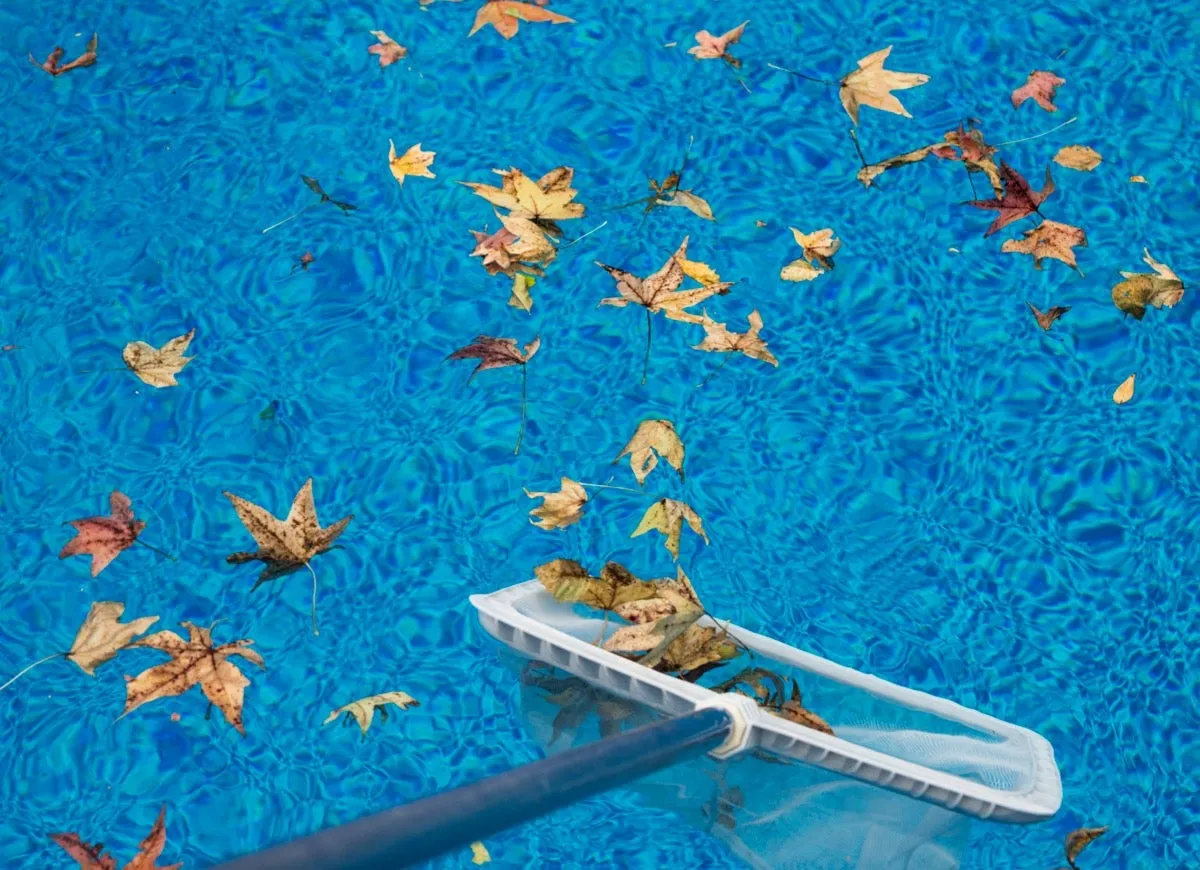
- Skimming debris from the pool surface
- Emptying pump and skimmer baskets
- Checking water clarity and chlorine levels
Monthly Maintenance Tasks
- Inspecting pump seals and valves
- Cleaning filters thoroughly
- Checking for early signs of leaks or corrosion
Seasonal Maintenance Tasks
- Full system inspection before peak swimming season
- Calibration of heaters and automation systems
- Deep cleaning of filtration systems
Consistent maintenance reduces stress on components and minimizes unexpected breakdowns.
Cost Factors in Pool Equipment Repair
Understanding repair costs helps in planning long-term pool maintenance budgets. Several factors influence the overall cost of pool equipment repair:
- Type of equipment requiring service (pump, filter, heater, etc.)
- Severity of damage or system failure
- Availability of replacement parts
- Labor complexity and diagnostic time
- Emergency versus scheduled repair services
Preventive maintenance remains significantly more cost-effective than emergency repairs or full system replacements.
Sustainability and Energy Efficiency in Pool Systems
Sustainability has become a major focus in modern pool management. Efficient pool equipment repair contributes to reduced environmental impact and lower energy consumption.
Eco-friendly strategies include:
- Installing variable-speed pumps to reduce electricity usage
- Using energy-efficient heaters
- Optimizing filtration cycles
- Reducing chemical waste through better circulation
These practices not only benefit the environment but also reduce long-term operational expenses.
Choosing the Right Pool Equipment Repair Service
Selecting a qualified service provider is essential for ensuring long-term system reliability. A trusted pool equipment repair provider should demonstrate:
- Strong technical expertise in modern pool systems
- Experience with both residential and commercial pools
- Use of advanced diagnostic tools
- Transparent repair processes and reporting
- Fast response times for urgent issues
Professional services like Balanced Poolz offer specialized solutions designed to restore efficiency and prevent recurring issues.
Future Trends in Pool Equipment Repair (2026 and Beyond)
The future of pool equipment repair is increasingly driven by automation, artificial intelligence, and smart diagnostics.
Emerging trends include:
- AI-powered predictive maintenance alerts
- Fully automated self-cleaning filtration systems
- Remote diagnostics and virtual technician support
- Integration of IoT devices for real-time system monitoring
- Eco-friendly materials in replacement parts
These innovations are transforming pool maintenance into a more proactive and efficient process.
Frequently Asked Questions
How often should pool equipment be inspected?
Inspection is recommended at least once every 3 months, with more frequent checks during heavy usage seasons.
What is the most common pool equipment failure?
Pump and filter issues are the most common, often caused by clogging, wear, or lack of maintenance.
Can pool equipment repairs be prevented?
While not all failures are avoidable, consistent maintenance significantly reduces repair frequency and severity.
Is professional repair necessary for minor issues?
Yes, even small issues can escalate quickly if not addressed by trained technicians.
Conclusion
Effective pool equipment repair is essential for maintaining safe, efficient, and long-lasting pool systems. From modern diagnostic tools to preventive maintenance strategies, every aspect of repair plays a role in ensuring optimal performance. As pool technology continues to evolve in 2026, staying proactive with maintenance and relying on experienced professionals remains the best approach to avoiding costly failures.
By prioritizing regular inspections, energy-efficient upgrades, and timely repairs through trusted specialists like Balanced Poolz, pool systems can operate smoothly, efficiently, and reliably for years to come.


