

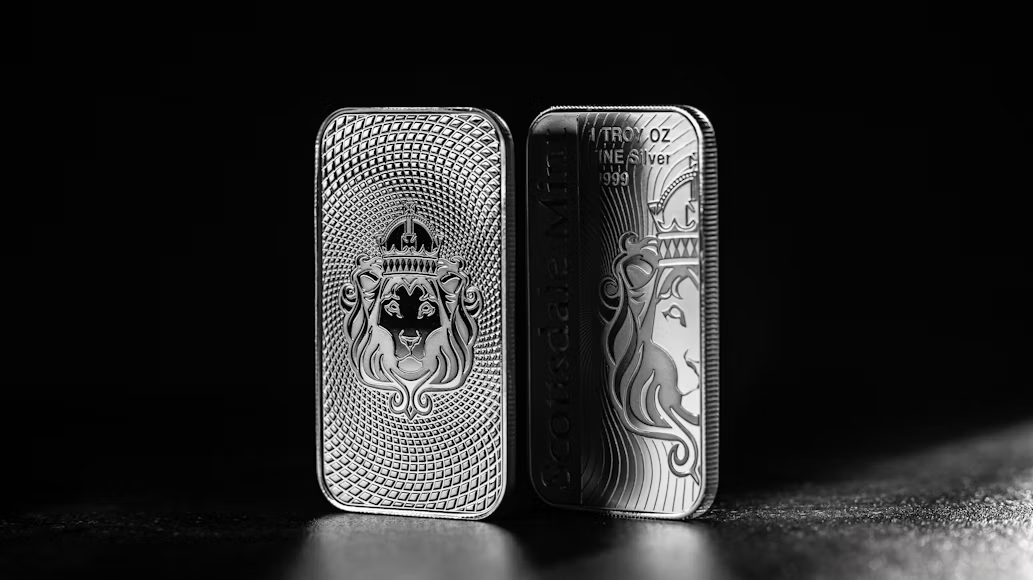
Silver is a widely traded precious metal with uses ranging from jewelry and investment products to electronics, solar technology, and industrial manufacturing. Like other commodities, its market value can change frequently in response to economic conditions, investor sentiment, supply and demand, and global events. Understanding the factors that influence the silver spot price can help buyers, investors, and businesses better understand why silver values move over time.
1. Supply and Demand
Supply and demand are among the most important factors affecting silver prices. When demand for silver increases while available supply remains limited, prices may rise.
Conversely, weaker demand or increased production can place downward pressure on prices. Silver demand comes from several areas, including industrial manufacturing, jewelry, investment, and technology.
2. Industrial Demand
Unlike some precious metals, silver has extensive industrial applications. It is used in electronics, electrical components, solar panels, medical products, and various manufacturing processes.
Silver spot price movements can therefore be influenced by expectations about industrial production and economic growth. Strong industrial activity can increase demand, while a slowdown may reduce consumption.
3. Economic Conditions
Global economic conditions can have a significant effect on precious metals markets. During periods of economic uncertainty, some investors may increase their exposure to precious metals as part of a broader strategy for managing risk.
Changes in economic growth, employment, consumer spending, and business activity can therefore influence market expectations surrounding silver.
4. Inflation and Interest Rates
Inflation and interest rates are closely watched by precious metal investors. When inflation expectations rise, some investors may consider precious metals as a way to diversify their holdings.
Interest rates can also affect the attractiveness of assets that do not generate interest. Changes in monetary policy can therefore influence investor demand and contribute to changes in silver prices.
5. Strength of the U.S. Dollar
Silver is generally priced internationally in U.S. dollars, making currency movements an important consideration. When the dollar strengthens, silver can become more expensive for buyers using other currencies, potentially affecting demand.
A weaker dollar can have the opposite effect. Silver spot price changes should therefore be considered alongside broader foreign-exchange market movements.
6. Mining Production
The amount of silver produced by mining companies also contributes to market supply. Production levels can be affected by mining costs, labor availability, regulations, energy prices, geological conditions, and investment in new projects.
Because much silver is produced as a byproduct of mining other metals, changes in those mining industries can also indirectly affect silver supply.
Final Thoughts
The silver spot price is influenced by a combination of supply and demand, industrial activity, economic conditions, inflation, interest rates, currency movements, mining production, investor sentiment, and geopolitical developments. Because these factors can change quickly, silver prices may experience periods of significant volatility. Understanding the broader forces behind price movements can help individuals and businesses make more informed decisions when following the silver market. For current pricing and investment decisions, it is important to consult reliable market data and consider your individual financial circumstances.