

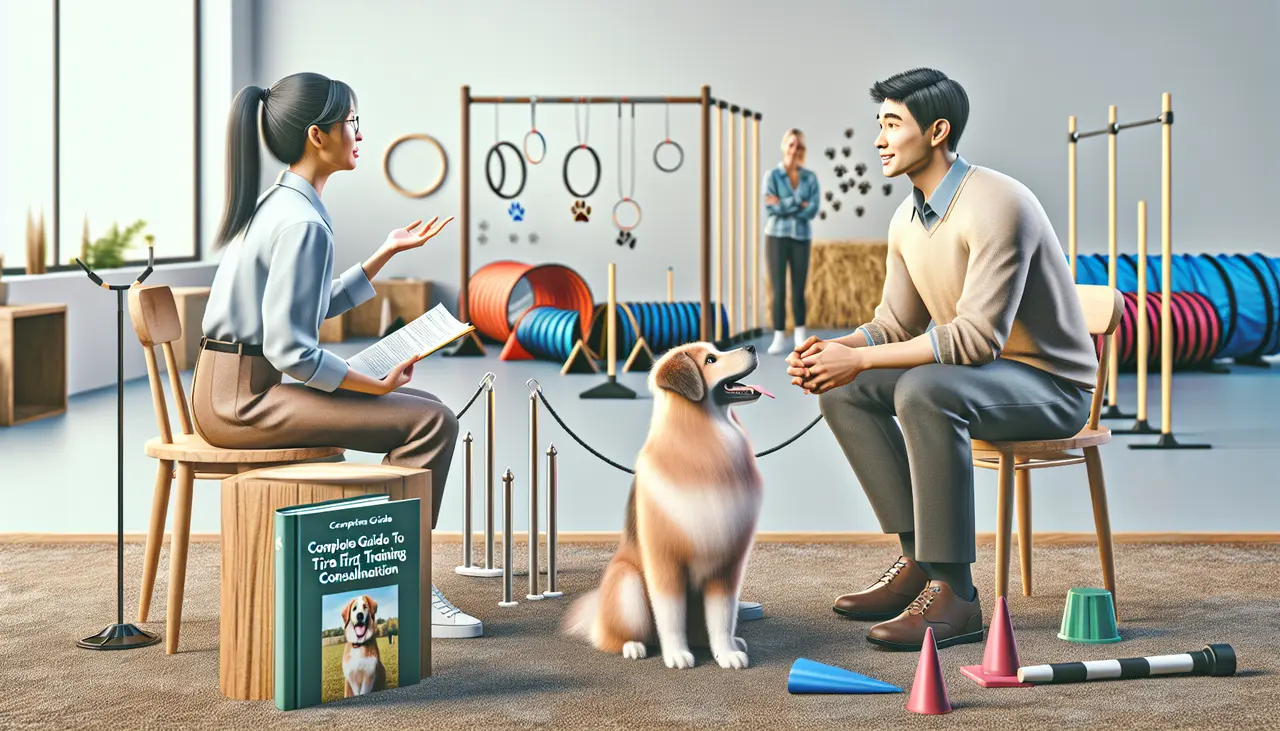
A dog training consultation can be the difference between trying random techniques and following a training plan built around your dog’s actual needs. Every dog has a different temperament, history, environment, energy level, and set of challenges. Understanding those factors first gives owners a clearer path toward better obedience and more reliable behavior.
Whether you are dealing with leash pulling, jumping, barking, poor recall, anxiety, or basic manners, the right starting point is not always another command. Sometimes, it is understanding why the behavior happens and what your dog needs to learn instead. Rob’s Dog Training can help owners identify these concerns and develop a practical approach based on their dog’s specific behavior and training goals.
What Happens During a Dog Training Consultation?
A consultation gives a professional dog trainer an opportunity to understand the dog beyond a single behavior.
For example, an owner might describe a dog as “aggressive” because it barks and lunges when another dog approaches. However, that description does not explain what triggers the reaction, how intense it is, where it occurs, or what happens before and after the behavior.
A useful consultation looks at the bigger picture, including:
- The dog’s current obedience skills
- Behavior problems and common triggers
- Previous training experience
- The home and daily environment
- Socialization and interactions with people or dogs
- Walking and leash habits
- The owner’s goals and concerns
- The dog’s temperament and individual needs
This information helps establish a practical starting point rather than applying the same training routine to every dog.
Rob’s Dogs begins its process with either a free call or an in-person behavioral assessment, allowing owners and trainers to determine an appropriate direction for training.
Why a Behavioral Assessment Matters
Dog behavior rarely exists in isolation. A dog that jumps on guests may be highly excitable, seeking attention, lacking impulse control, or simply repeating a behavior that has been rewarded unintentionally.
Likewise, a dog that refuses to come when called may not simply be “stubborn.” The surrounding environment, distractions, reinforcement history, and reliability of previous recall training can all affect the response.
A behavioral assessment helps identify these patterns.
Instead of focusing only on what the dog does wrong, the trainer can consider the circumstances surrounding the behavior. That distinction matters because effective dog behavior modification requires more than repeatedly correcting an unwanted action.
The goal is to establish what the dog needs to learn and how the owner can consistently reinforce those expectations.
When Should You Consider a Dog Training Consultation?
You do not have to wait until a behavior becomes severe before seeking professional guidance.
A consultation may be useful when you notice:
- Leash problems
Pulling, lunging, or constantly changing direction can make walks difficult and stressful. - Poor recall
If your dog ignores its name or does not reliably return when called, additional recall training may be appropriate. - Jumping and overexcitement
Dogs that rush toward people, jump on visitors, or struggle to settle may benefit from impulse-control and obedience work. - Excessive barking
Understanding the trigger behind barking is important before deciding how to address it. - Fear or reactivity
Dogs that react strongly to people, animals, sounds, or unfamiliar environments may require a more individualized training approach. - Basic obedience concerns
Even friendly dogs benefit from reliable skills such as sit, stay, place, heel, and come. - Changes in behavior
A noticeable change in behavior deserves attention, particularly when it creates safety or household concerns.
Early professional guidance can prevent owners from accidentally reinforcing habits they are trying to stop.
What Should You Ask a Dog Trainer?
Choosing a trainer is an important part of the process. Owners should look beyond impressive claims and ask practical questions about how the training will work.
Consider asking:
- How will you assess my dog’s behavior?
- What training goals would you recommend?
- How involved will I be in the process?
- How will progress be measured?
- What should I practice between sessions?
- Which training option best fits my dog and lifestyle?
- How will you help me maintain the results at home?
The answers can reveal whether the approach is genuinely individualized.
A strong training relationship should also make expectations clear for the owner. Training does not end when the professional session ends. What happens at home, on walks, around visitors, and during everyday distractions can have a major effect on consistency.
Personalized Training Is More Practical Than Guesswork
One of the biggest mistakes owners can make is assuming that a technique that worked for one dog will automatically work for another.
A young, energetic dog may need a different approach from an older dog with years of established habits. A dog struggling with basic obedience may have completely different needs from one that understands commands but becomes reactive around distractions.
That is why individualized dog training can be more practical than a generic routine.
Rob’s Dogs offers private lessons in which owners work directly with their dogs under the guidance of a trainer. The company states that these lessons are customized according to the dog’s needs and the owner’s goals, covering both basic obedience and specific behavior concerns.
The consultation helps establish those priorities before training progresses.
Turning Consultation Insights Into Training Goals
A consultation becomes much more valuable when it leads to specific, measurable goals.
Instead of saying, “I want a better-behaved dog,” identify what better behavior looks like in daily life.
For example:
- Walk calmly without constantly pulling.
- Respond to recall despite moderate distractions.
- Remain settled when guests enter the home.
- Wait before rushing through doors.
- Respond consistently to basic obedience cues.
- Stay focused on the owner around common distractions.
Specific goals make it easier to determine whether training is actually working.
They also help owners recognize incremental progress. A dog does not need to become perfect overnight. Reliable behavior is generally built through repetition, consistency, appropriate expectations, and practice in increasingly challenging situations.
Choosing the Right Training Format
The consultation can also help determine which training format makes sense for the dog and owner.
For some owners, private dog training is appealing because they want to participate directly and learn how to continue training between sessions. Others may have demanding schedules or dogs that need more structured immersion.
Rob’s Dogs currently offers private lessons as well as Board & Train programs. Its Board & Train option involves dogs staying at the K9 Performance Center for an extended training experience focused on obedience, manners, and behavior correction, followed by guidance for owners on maintaining the results at home.
The best option depends on the dog’s needs, the owner’s availability, and the goals established during the initial assessment.
The Owner Is Part of the Training Process
Professional dog training is not simply about teaching the dog what to do. Owners also need to understand how to communicate expectations clearly and consistently.
Consider a dog that jumps on people. If jumping is discouraged during training but rewarded with attention at home, the dog receives conflicting information.
Consistency matters.
Owners should understand what behavior they want to encourage, how to respond when unwanted behavior occurs, and how to reinforce appropriate choices. A professional trainer can provide structure, but everyday repetition helps turn that structure into reliable habits.
This is particularly important after a Board & Train program or private training session. Maintaining progress at home requires owners to continue applying the methods they have learned. Rob’s Dogs specifically includes owner guidance after its Board & Train program to help maintain training results at home.
Make the First Conversation Count
Before scheduling a consultation, write down the behaviors that concern you most. Note where they happen, what seems to trigger them, how frequently they occur, and what you currently do in response.
Also consider what you ultimately want your dog to do differently.
That information can make the initial conversation more productive and help the trainer understand your priorities.
A dog training consultation should not be viewed as a judgment of your dog or your abilities as an owner. It is an opportunity to understand the situation, identify realistic goals, and determine what kind of training support makes sense.
For owners who want professional guidance, Rob’s Dogs provides dog training services including private lessons, Board & Train, and behavioral assessments. Its team serves dog owners through its Phoenix and North Scottsdale facilities, with training designed around individual needs and goals.
A better training experience starts with asking the right questions. When owners understand their dog’s behavior and have a clear plan for addressing it, training becomes more purposeful, consistent, and useful in everyday life.